Coming Soon
Regional Multi-Sport Open Days
The Benefits of Attending a Blue Light Sports Foundation Multi-Sport Open Day
Attending a Blue Light Sports Foundation Multi-Sport Open Day offers a unique opportunity to enjoy a day filled with energy, connection, and wellbeing. With free access to a wide range of team sports, individual sports, games, and leisure activities, participants can explore new interests, rediscover old passions, and challenge themselves in a supportive environment.
One of the greatest benefits is the variety of activities available. Whether you’re drawn to the fast-paced teamwork of wheelchair rugby or wheelchair American football, the precision of indoor bowls, or the fun of casual games, there’s something for every ability and interest. This diversity encourages people to try something new without pressure, boosting confidence and physical fitness.
The event also provides a valuable chance to connect with other Blue Light members from different services. Sharing the day with colleagues and peers fosters camaraderie, strengthens professional bonds, and builds a sense of belonging within the wider Blue Light community. These connections can be both personally rewarding and professionally supportive.
Beyond the physical benefits, the day promotes mental wellbeing. Sport and leisure activities are proven to reduce stress, improve mood, and enhance resilience, qualities that are especially important for those working in demanding frontline roles.
Ultimately, the Blue Light Sports Foundation Multi-Sport Open Day is more than just a day of fun, it’s an investment in health, teamwork, and community spirit. It’s a chance to recharge, reconnect, and celebrate the dedication of those who serve.
Here is what you can expect from a typical Multi-Sport Open Day
Not all sports are available at every open day as some venues may not be suitable for some of the sports.
Every event will have a dedicated events page on the calendar, which will provide all of the sports and timings for every open day.
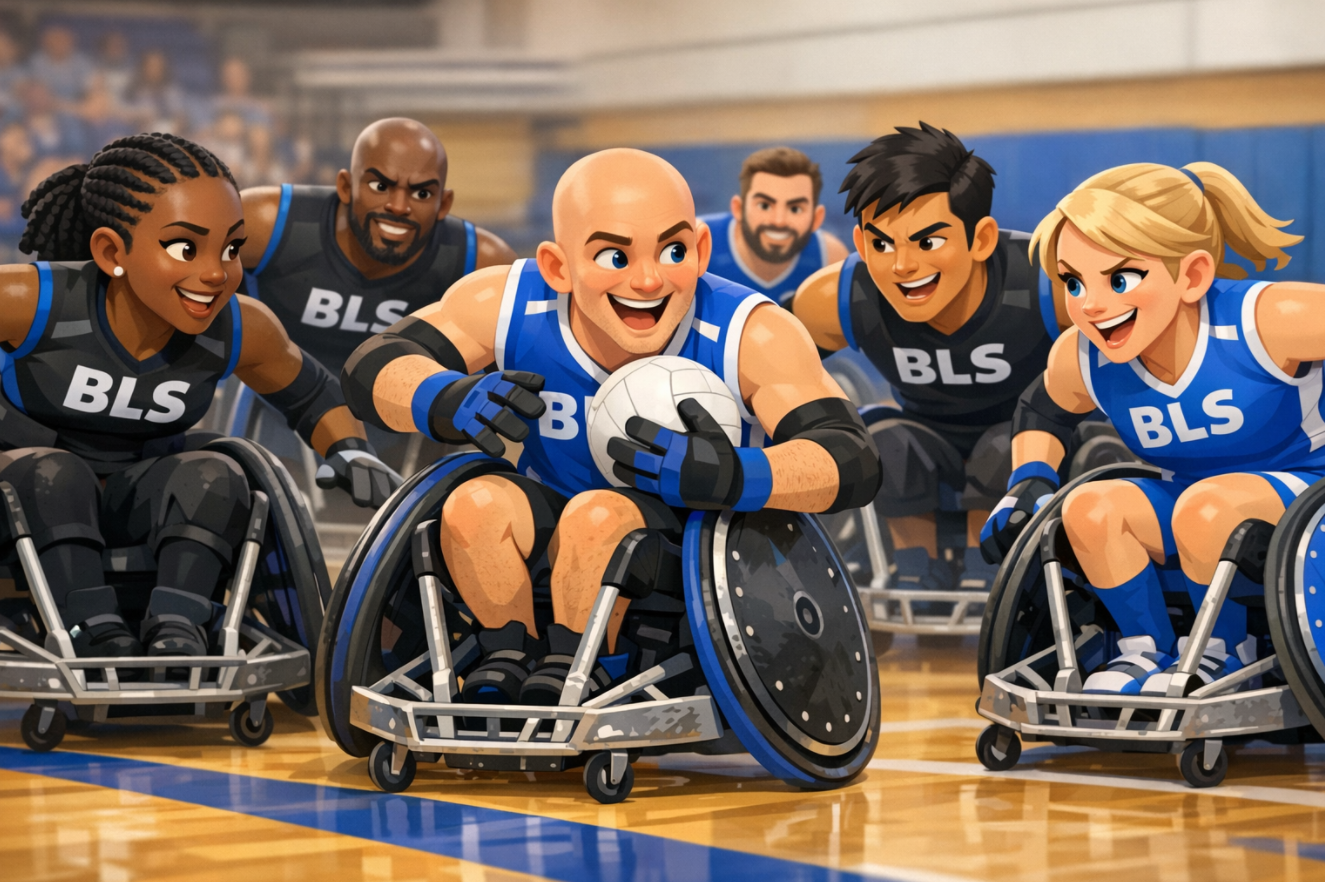
Wheelchair Rugby
Wheelchair Rugby is a fast-paced, full-contact team sport designed for athletes with impairments affecting at least three limbs. Played indoors on a basketball-sized court, it blends elements of rugby, basketball, and handball. Teams of four aim to carry or pass a ball across the opponent’s goal line, using specially designed wheelchairs built for speed, agility, and impact. Known for its intensity and strategic play, it’s a Paralympic sport that celebrates skill, teamwork, and resilience.
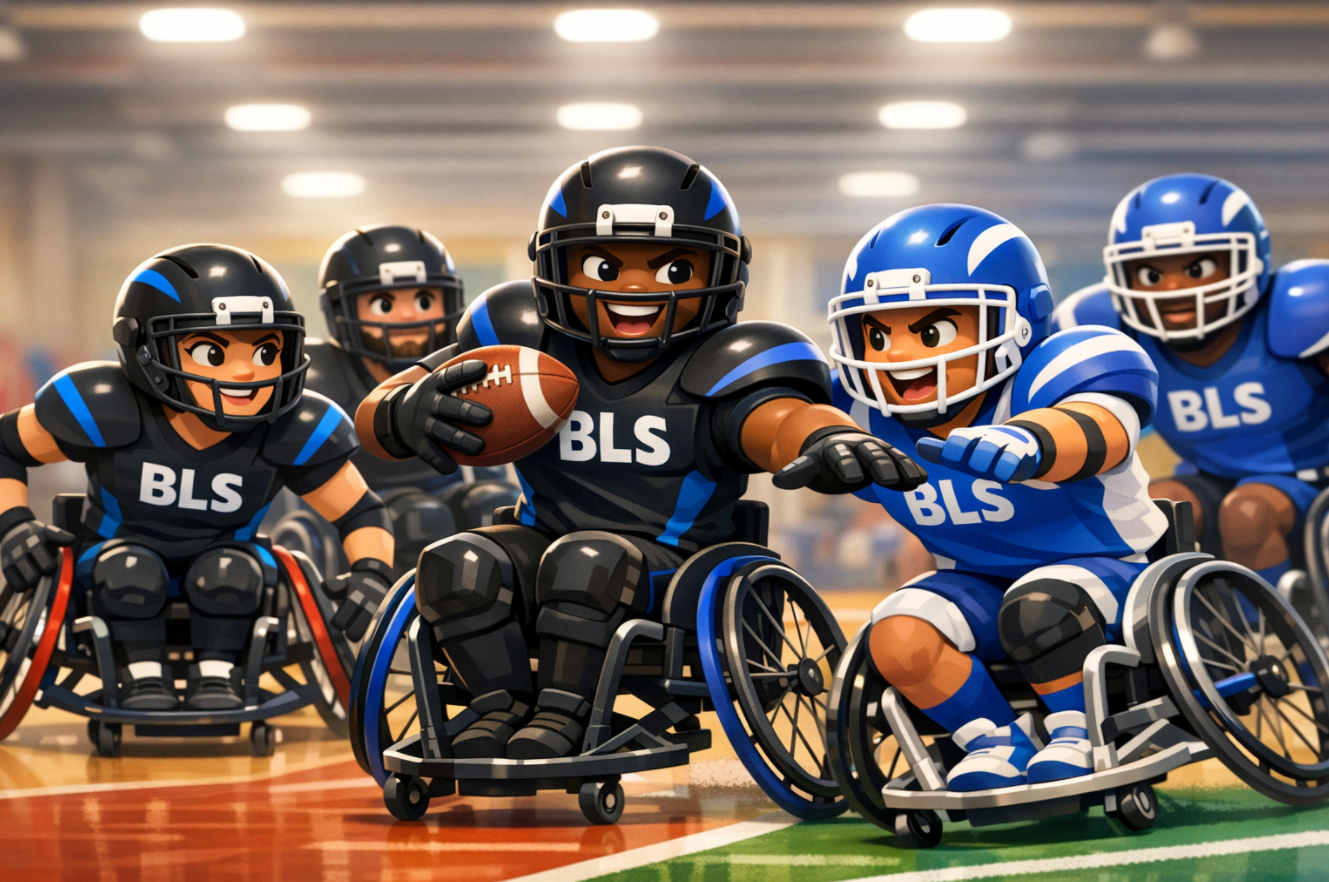
Wheelchair American Football
Wheelchair American Football is a fast-paced, inclusive adaptation of traditional American football designed for athletes with physical disabilities. Played in manual or power wheelchairs, it typically features 7-a-side teams on a smaller, modified field. The game uses a foam ball and touch-style tackling to ensure safety while maintaining the sport’s competitive spirit. It blends strategy, skill, and teamwork, making it accessible to both wheelchair users and non-wheelchair participants.
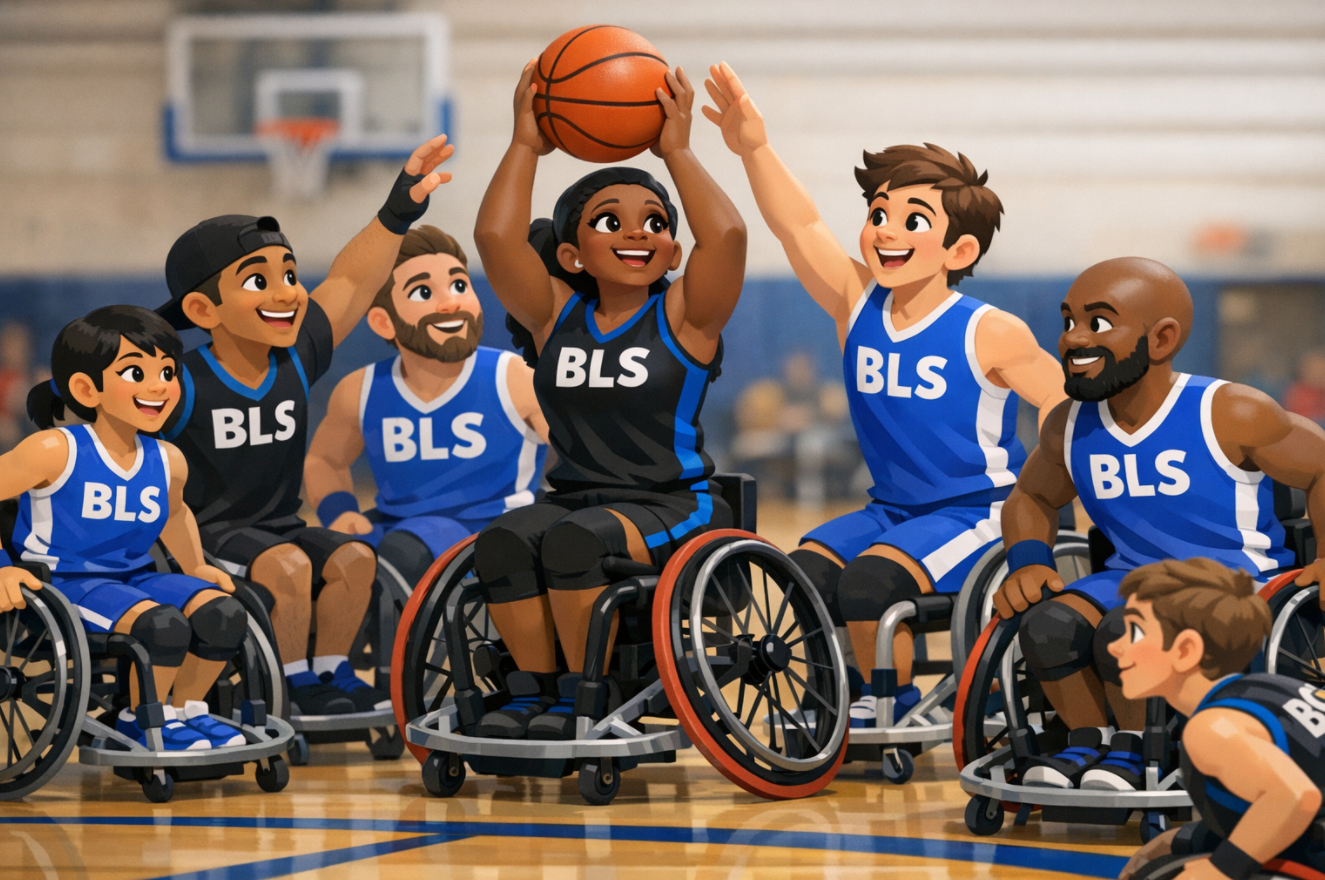
Wheelchair Basketball
Wheelchair Basketball is a dynamic, fast-paced sport adapted from traditional basketball for athletes with physical impairments, primarily affecting the lower limbs. Played on a standard-sized court with a 10-foot hoop, it follows most of the same rules as standing basketball, with modifications to accommodate the wheelchair. Teams of five compete to score points by shooting the ball through the opponent’s hoop, combining skill, strategy, and athleticism. It’s an inclusive sport, allowing both disabled and non-disabled players to compete together in many leagues, and is one of the most popular Paralympic team sports worldwide.
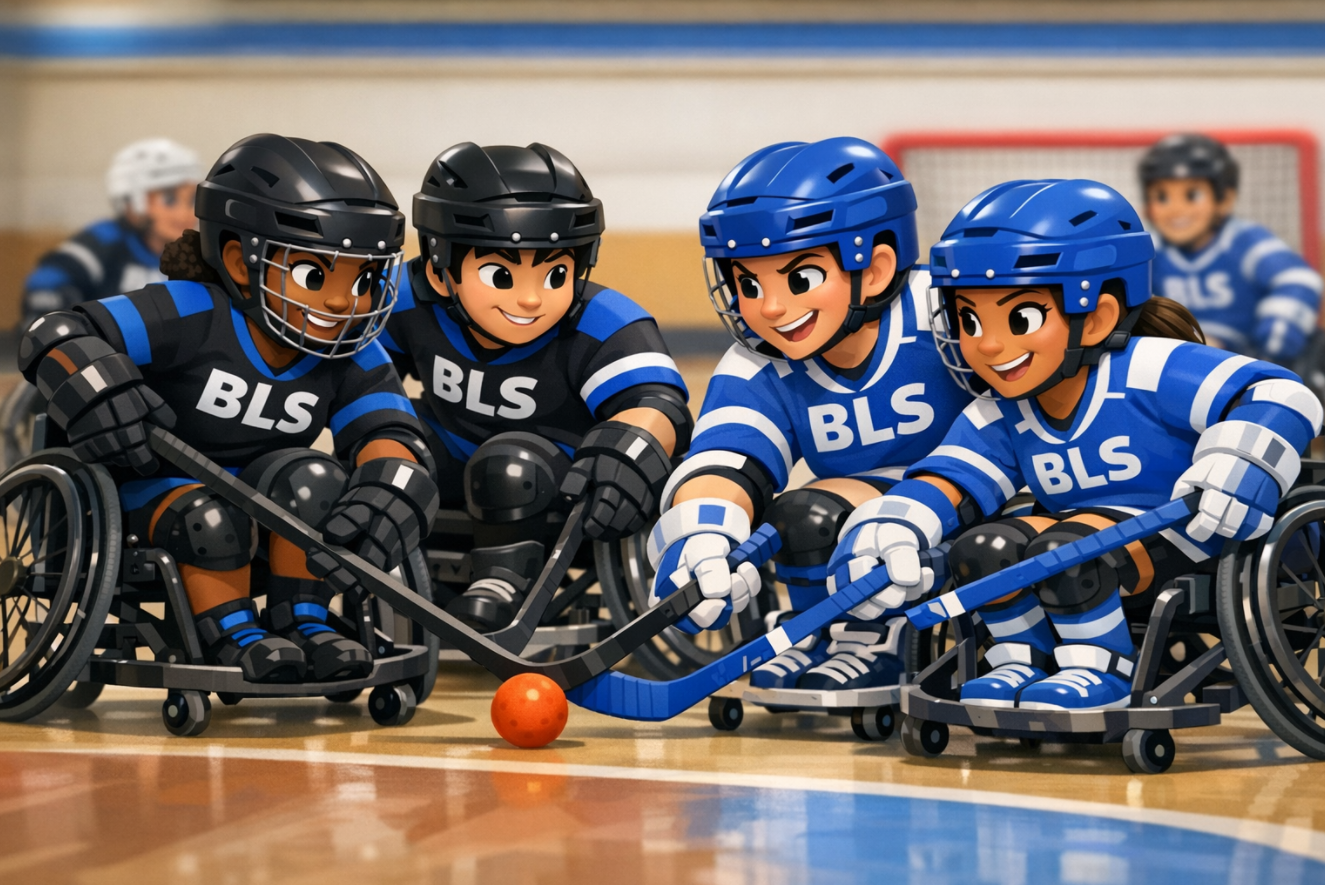
Wheelchair Street Hockey
Wheelchair Street Hockey is a fast-paced, inclusive sport adapted from traditional street hockey, designed for players who use wheelchairs. It’s typically played on a smooth, flat surface with lightweight sticks and a ball or puck, focusing on teamwork, skill, and strategy rather than physical contact. The game is accessible to people of varying abilities, encouraging participation, fitness, and community spirit while delivering all the excitement and competitiveness of hockey in a wheelchair-friendly format.
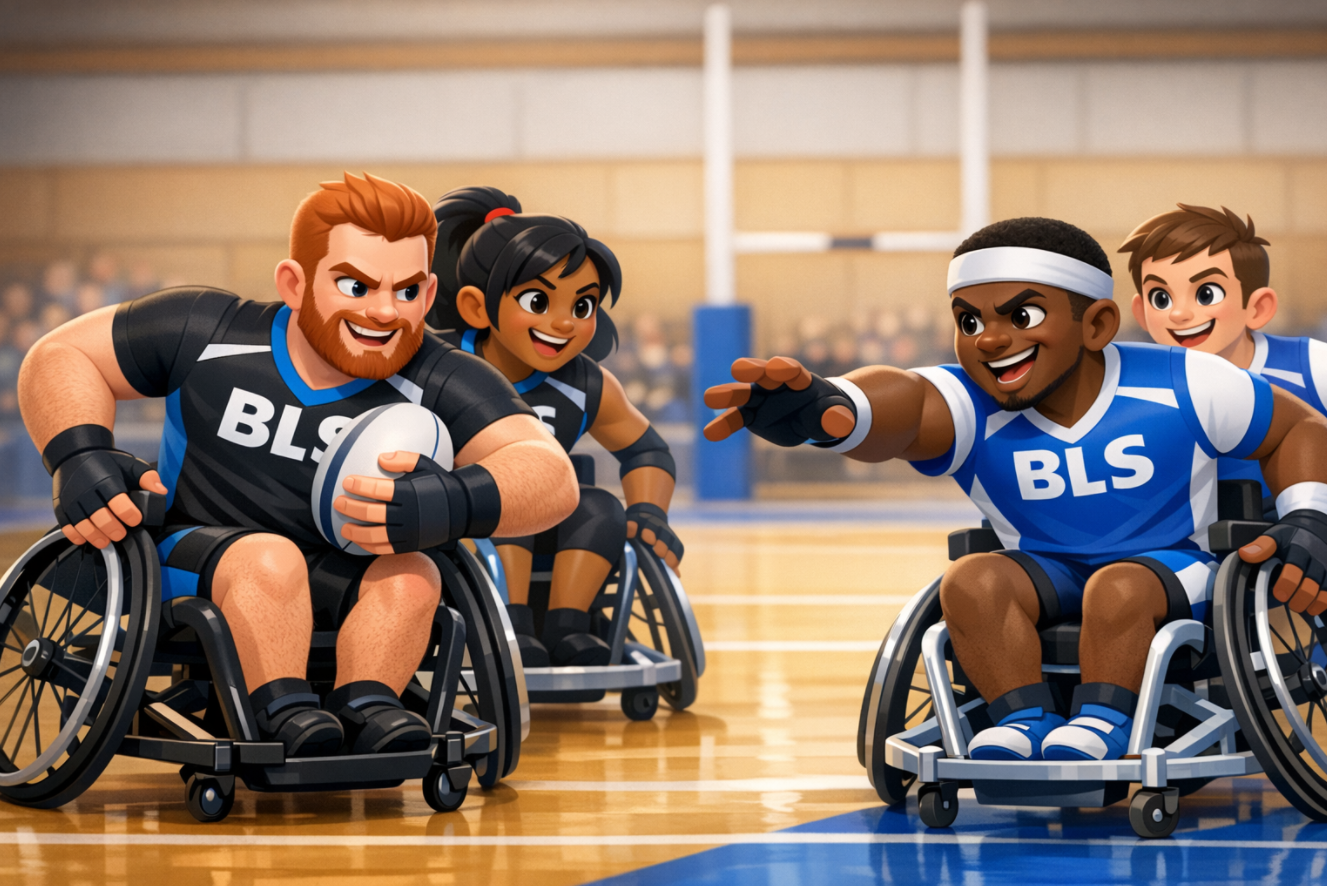
Wheelchair Rugby League
Wheelchair Rugby League is a fast-paced, full-contact adaptation of rugby league that can be played by both disabled and non-disabled athletes together. Developed in France in 2000, it uses a standard rugby league ball and similar rules, with players competing in sports wheelchairs on an indoor court. Known for its inclusivity, skill, and intensity, it combines tactical teamwork with high-energy action, making it one of the most exciting and accessible formats of the sport.
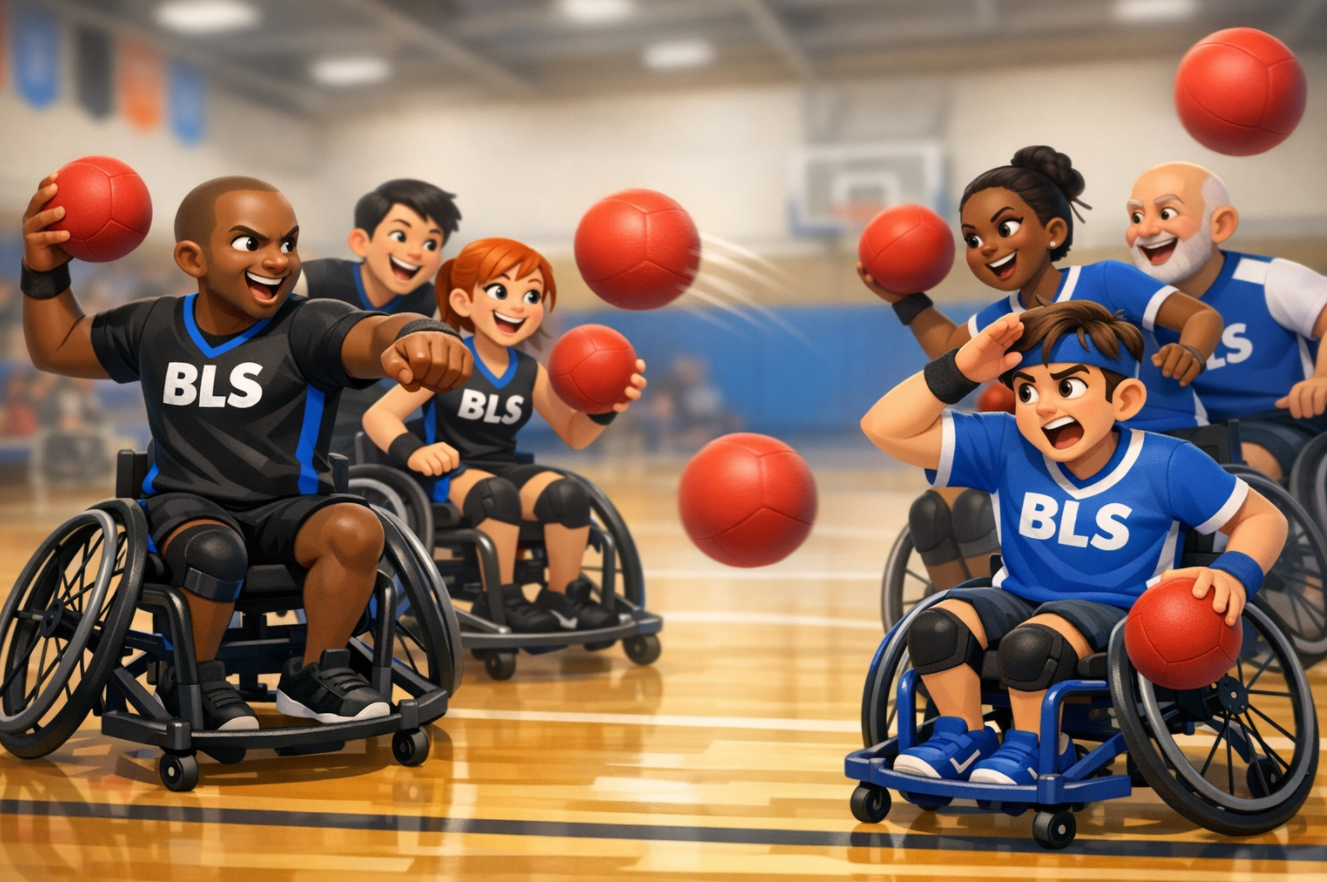
Wheelchair Dodgeball
Wheelchair Dodgeball is an inclusive, fast-paced variation of traditional dodgeball designed for players using manually powered wheelchairs. Teams typically consist of three active players (with a squad of up to five), aiming to hit opponents with the ball while avoiding being struck themselves. The game emphasizes agility, strategy, and teamwork, with adapted rules—such as allowing front wheels to cross the centre line during the opening rush—to ensure fair and exciting play for all participants.
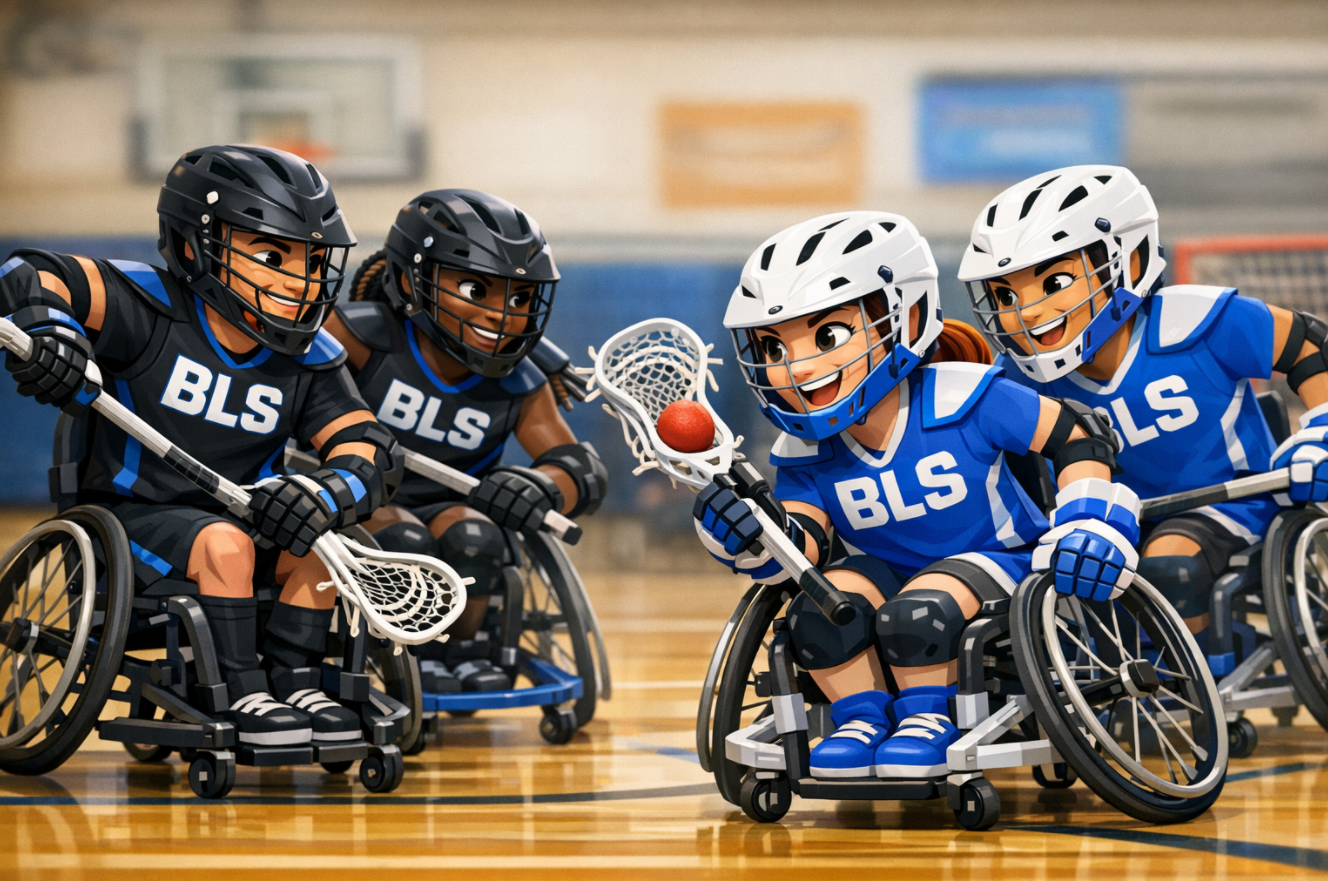
Wheelchair Lacrosse
Wheelchair Lacrosse is a fast-paced, inclusive sport adapted from traditional lacrosse for athletes with physical disabilities or mobility impairments. Played 7-on-7 on a hard-surface rink or court, it features the same stick skills, teamwork, and strategy as the stand-up game, but with rules and equipment tailored for wheelchair use. The smaller playing area enhances maneuverability, reduces fatigue, and keeps the action intense, making it both competitive and highly engaging for players of all abilities.
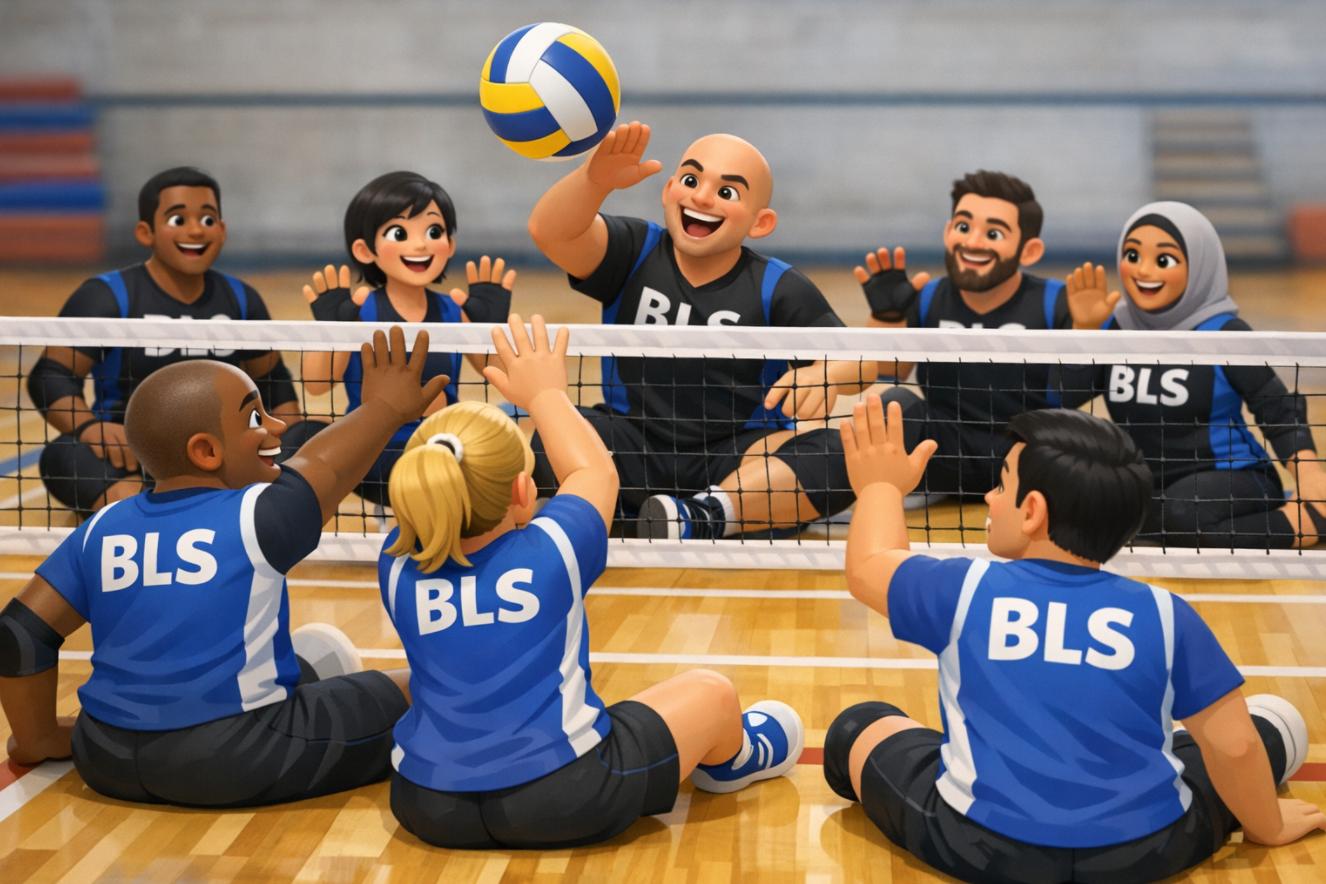
Sitting Volleyball
Sitting volleyball is a fast-paced, inclusive variation of traditional volleyball designed for athletes with physical impairments. Players remain seated on the court, which is smaller than in the standing game, and the net is set lower. Despite the name, the sport demands quick reflexes, agility, and strategic teamwork, as players must move fluidly across the floor while maintaining constant contact with the ground. It is played at both recreational and elite levels, including the Paralympic Games, and is celebrated for its intensity, accessibility, and spirit of competition.