Coming soon
Stronger Together
More than a volunteer programme, it's a bridge between groups who have faced life-changing challenges.
By combining the rehabilitative power of sport with the resilience of blue light service workers, the project creates a cycle of empowerment, understanding, and hope.
A community-driven initiative that connects young offenders with sick, injured and disabled emergency, volunteer and blue light service workers, civil servants and armed forces communities (blue light athletes) through adaptive sports events. The programme uses the power of adaptive sport, teamwork, and shared purpose to foster rehabilitation, personal growth, and mutual respect. By engaging young offenders as trained volunteers in organising and supporting adaptive sports events, training and competitions, the project creates a unique environment where both groups benefit from meaningful interaction.
How the programme works
Volunteer Training
Young offenders receive structured training in event management, adaptive sports rules, training and development of players, coaching and officiating, disability awareness, sports equipment maintenance and first aid.
Event Support
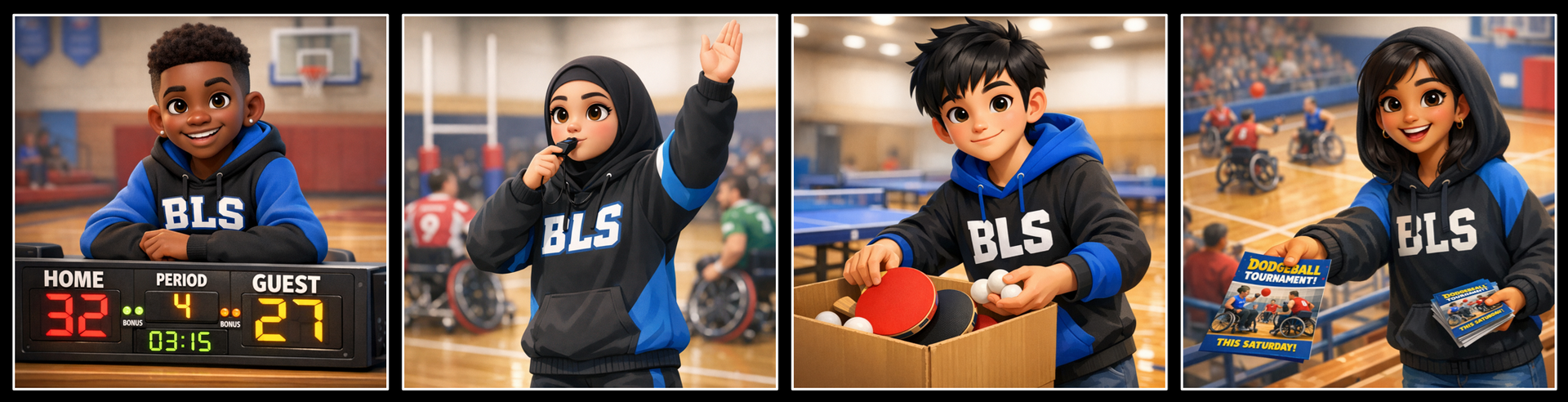
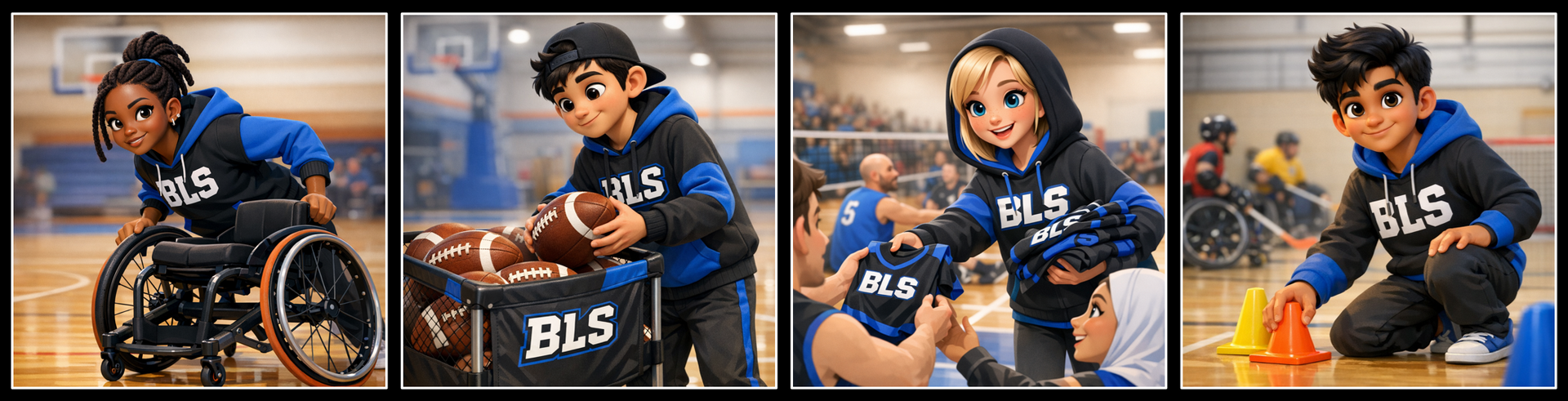
Volunteers assist in setting up venues, guiding athletes, managing equipment, promoting events, and providing encouragement during competitions.
Mentorship and Reflection
Blue Light athletes share their life experiences, resilience strategies, and teamwork values with the young volunteers.
Ongoing Engagement
Participants are encouraged to continue volunteering beyond their programme period, building a bridge to long-term community involvement.
Benefits for Young Offenders
Life skills Development
Teamwork and Communication: Working alongside athletes, coaches, and other volunteers improves interpersonal skills.
Responsibility and Reliability: Being entrusted with important event roles fosters accountability.
Problem-Solving: Adaptive sports often require quick thinking and creative solutions to logistical challenges.
Personal Growth and Rehabilitation
Empathy and Perspective: Direct interaction with sick, injured and disabled blue light athletes helps young offenders understand resilience and perserverance.
Confidence Building: Successfully contributing to high-profile events boosts self-esteem.
Positive Identity: Shifting from a label of "offender" to "valued volunteer" supports reintegration into society.
Pathways to Future Opportunities
Exposure to sports management, physiotherapy, coaching, and community work can inspire career aspirations.
References and experience gained can support education or employment applications.
Benefits for Sick, Injured and Disabled Blue Light Athletes
Practical Support
Volunteers help with logistics, equipment handling, and accessibility needs, allowing athletes to focus on performance.
Emotional and Social Impact
The presence of young volunteers fosters a sense of community solidarity and appreciation for their service.
Sharing their stories can be empowering and affirm their role as mentors and role models.
Promoting Inclusion and Awareness
Events become a platform to showcase adaptive sports and challenge public perceptions about disability and capability.
Mutual Benefits and Community Impact
Breaking Down Barriers
Both groups learn to see beyond stereotypes, young offenders are not defined by their past, and disabled athletes are not defined by their injuries.
Strengthening Community Bonds
The project creates a shared space where resilience, teamwork, and mutual respect trhive.
Reducing Reoffending
Positive engagement, skill-building, and community connection are proven factors in lowering reoffending rates.